Cloud infrastructure gives businesses unmatched scalability, flexibility, and innovation, but without proper governance, it can quickly become one of the largest operational expenses. Cloud Cost Optimization has become a top priority for organizations using AWS, Microsoft Azure, and Google Cloud, as studies consistently show that businesses waste 20–30% of their cloud spending on idle resources, oversized virtual machines, unused storage, and inefficient architectures. The challenge isn't that cloud computing is expensive; it's that many organizations lack visibility into where their cloud budget is actually going.
As cloud adoption accelerates in 2026, controlling cloud expenses is no longer just an IT responsibility, it has become a business strategy. Whether you're running SaaS applications, AI workloads, enterprise software, eCommerce platforms, or large-scale data processing systems, optimizing cloud costs can significantly improve profitability without compromising performance. This guide explores 15 proven cloud cost optimization strategies, explains common causes of cloud waste, and provides practical recommendations to help businesses maximize the return on every dollar invested in cloud infrastructure.
Cloud Cost Optimization is the continuous process of reducing unnecessary cloud spending while maintaining or improving application performance, reliability, scalability, and security.
Unlike traditional cost-cutting initiatives, cloud optimization focuses on using resources more efficiently rather than simply reducing infrastructure.
The goal is to ensure that every cloud resource contributes measurable business value.
Cloud cost optimization generally includes:
Rather than asking "How can we spend less?", successful organizations ask:
"How can we get more business value from every dollar spent in the cloud?"
Many organizations assume cloud costs are predictable because providers offer pay-as-you-go pricing.
The reality is different.
Cloud resources can be provisioned within minutes, making it easy for development teams to launch servers, databases, storage buckets, containers, GPUs, and testing environments, but these resources often remain active long after they're needed.
Some of the most common reasons businesses overspend include:
| Common Cause | Business Impact |
|---|---|
| Idle virtual machines | Paying for servers that aren't being used |
| Overprovisioned compute resources | Higher monthly infrastructure bills |
| Unattached storage volumes | Continuous storage charges |
| Forgotten development environments | Significant unnecessary expenses |
| Lack of monitoring | Hidden cost increases |
| Poor resource tagging | Difficult cost allocation |
| Always-on workloads | Paying 24/7 for applications used only during business hours |
| Duplicate cloud resources | Operational inefficiencies |
Even medium-sized organizations can lose thousands of dollars every month simply because no one regularly reviews cloud usage.
Many organizations continue paying for inefficient cloud infrastructure because legacy applications were never designed for cloud-native environments. Investing in Custom Software Development allows businesses to modernize applications using microservices, serverless architectures, and scalable APIs that improve resource utilization while significantly lowering long-term cloud operating costs.
Optimizing cloud spending delivers benefits far beyond lower infrastructure bills.
Organizations that actively manage cloud costs often experience:
Cloud optimization enables businesses to invest saved resources into innovation rather than unnecessary infrastructure expenses.
Mobile applications rely heavily on cloud infrastructure for authentication, APIs, notifications, media storage, and real-time synchronization. Optimizing backend architecture during Mobile App Development helps businesses reduce infrastructure costs while ensuring consistent performance as user traffic grows.
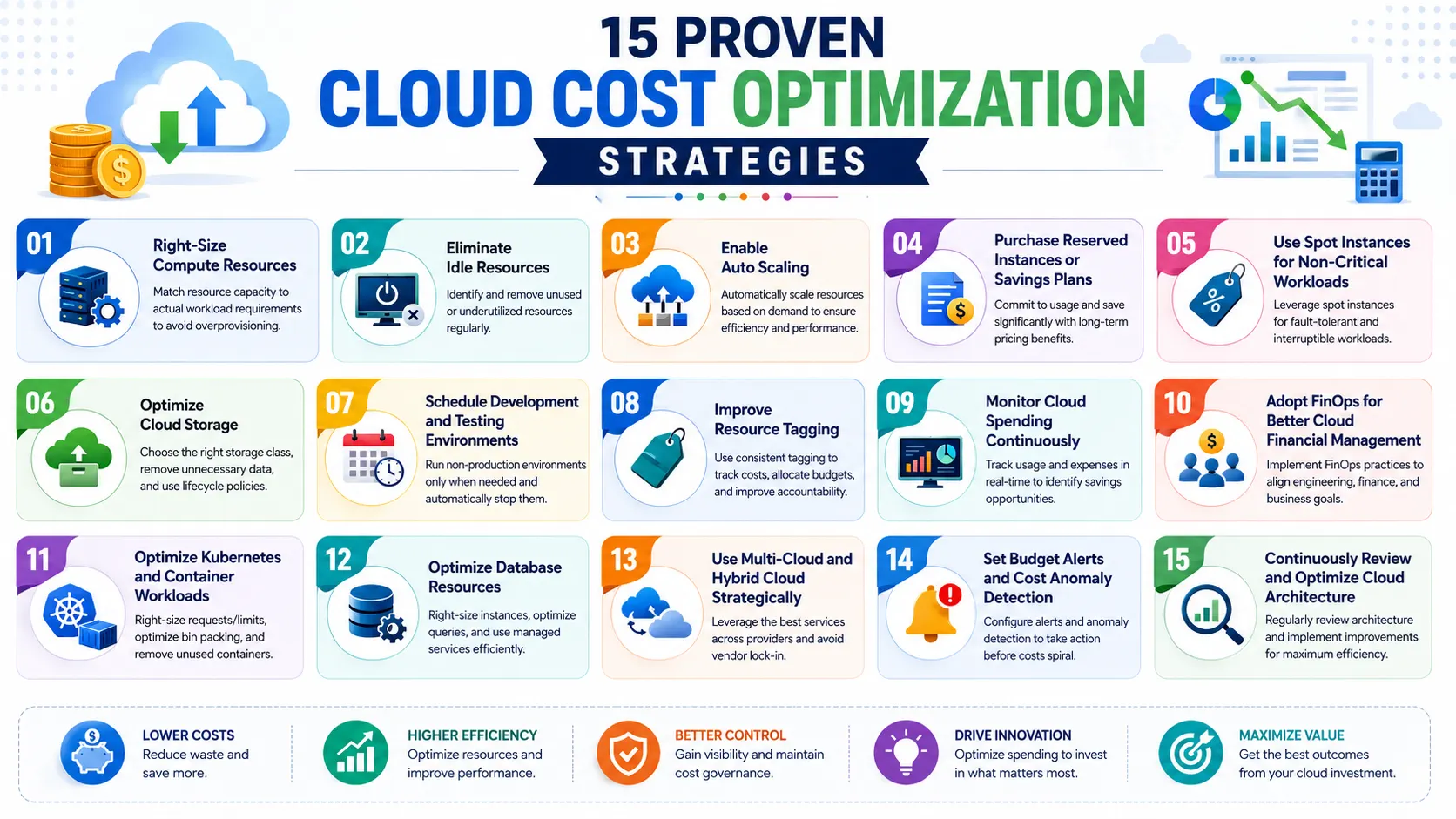
One of the biggest reasons organizations overspend is purchasing compute resources that far exceed actual requirements.
Many virtual machines operate at only 10–20% CPU utilization, yet businesses continue paying for premium instance types.
Review CPU, memory, disk usage, and network utilization regularly.
Downgrading oversized instances can reduce compute costs by 30–60% without affecting application performance.
Unused cloud resources silently consume budgets every day.
Common examples include:
Automated cleanup policies can significantly reduce unnecessary spending.
Many applications don't need maximum computing power throughout the day.
Auto Scaling automatically increases infrastructure during traffic spikes and reduces resources during low-demand periods.
This ensures businesses pay only for the resources they actually use.
Applications with fluctuating workloads often reduce cloud spending by 20–50% using intelligent autoscaling.
Organizations running predictable workloads should avoid relying entirely on on-demand pricing.
Cloud providers offer significant discounts for long-term commitments.
Options include:
Long-term workloads can often reduce infrastructure costs by 40–70%.
Spot instances allow businesses to purchase unused cloud capacity at heavily discounted prices.
They're ideal for:
Savings frequently exceed 80% compared to standard on-demand instances.
Storage costs continue increasing as businesses generate more data.
A structured storage strategy should include:
Using lower-cost storage tiers for infrequently accessed data dramatically reduces monthly expenses.
Many development environments operate continuously despite being used only during working hours.
Automatically shutting down development servers during evenings, weekends, and holidays can reduce infrastructure costs by 50–70%.
This is one of the easiest cloud optimization wins.
Without consistent tagging, organizations struggle to understand where cloud budgets are being spent.
A standardized tagging strategy should include:
Accurate tagging improves reporting, budgeting, governance, and accountability.
Cloud optimization is not a one-time exercise.
Successful organizations continuously monitor:
Real-time monitoring prevents unexpected billing surprises.
As cloud environments become more complex, businesses need more than just monitoring tools, they need a culture of financial accountability. This is where FinOps (Cloud Financial Operations) comes in.
FinOps is a collaborative approach that brings finance, engineering, and operations teams together to continuously optimize cloud spending while maintaining business agility.
Key FinOps practices include:
Organizations that adopt FinOps typically make faster financial decisions and reduce unnecessary cloud expenses through continuous optimization rather than reactive cost-cutting.
Containers have simplified application deployment, but poorly managed Kubernetes clusters can significantly increase cloud costs.
Common cost issues include:
Cloud-native monitoring tools can identify unused resources and automatically rebalance workloads, ensuring compute capacity matches actual demand.
Businesses running containerized applications often reduce infrastructure costs by 20–40% through proper Kubernetes optimization.
AI and machine learning workloads often consume significantly more computing resources than traditional business applications, making cost optimization even more important. Organizations investing in AI Development Services should carefully optimize GPU utilization, model training schedules, storage architecture, and inference workloads to achieve maximum performance without unnecessary cloud spending.
Databases are among the most expensive cloud resources, especially when they are overprovisioned.
Regular database optimization should include:
Reviewing database performance every quarter helps balance performance with cost efficiency.
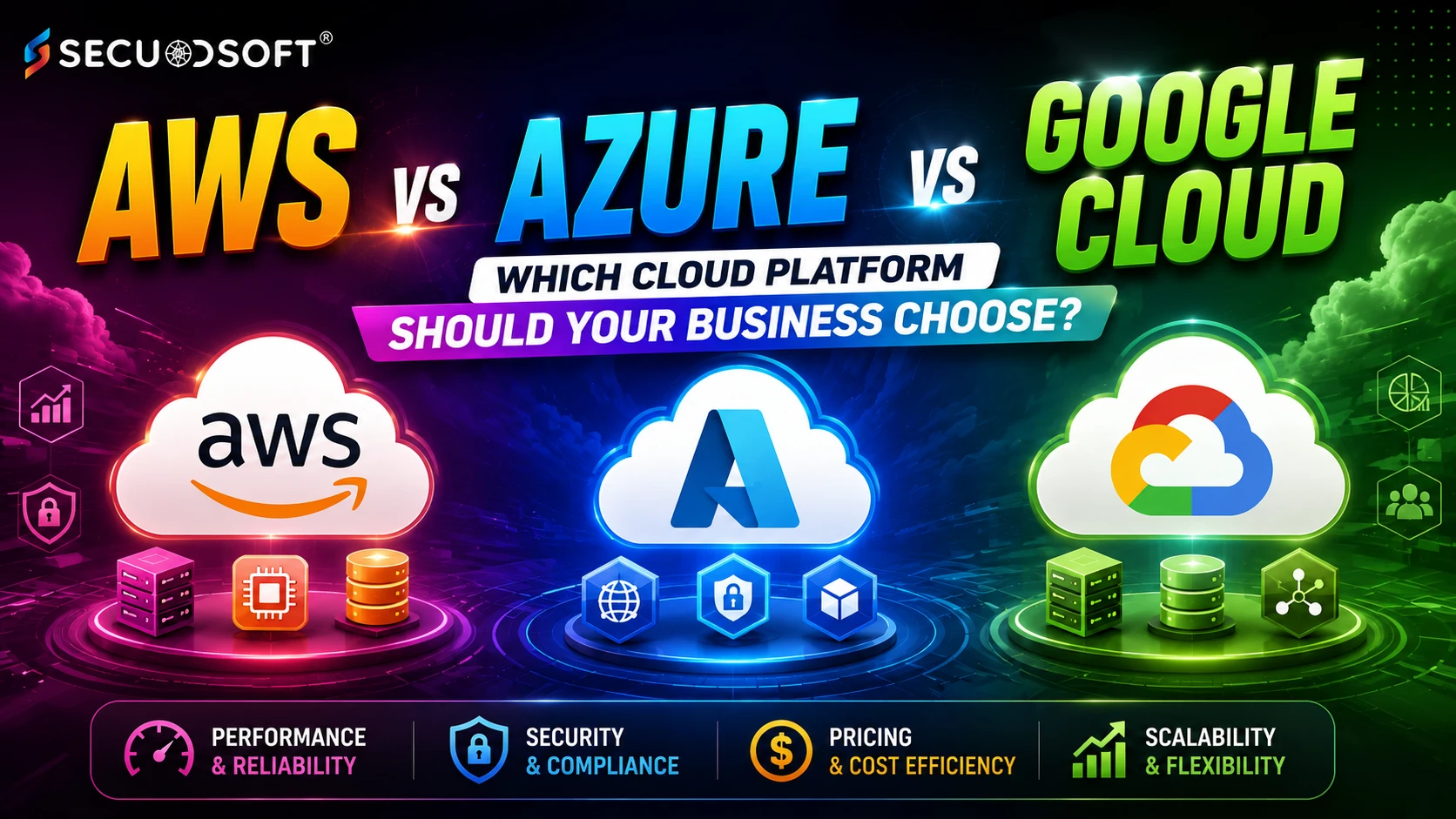
Many organizations believe that moving everything to one cloud provider is the most cost-effective option.
In reality, different cloud providers offer pricing advantages for different workloads.
For example:
| Cloud Platform | Best Suited For |
|---|---|
| AWS | Enterprise applications, global infrastructure |
| Microsoft Azure | Microsoft ecosystem, enterprise workloads |
| Google Cloud | AI, Machine Learning, Big Data analytics |
Rather than relying on a single provider, businesses can strategically distribute workloads across multiple cloud platforms to optimize pricing, availability, and performance.
However, multi-cloud should only be implemented when it delivers measurable business value, as managing multiple environments also increases operational complexity.
Unexpected cloud bills are usually caused by unnoticed infrastructure changes.
Modern cloud platforms allow organizations to configure:
These automated alerts help teams identify abnormal spending before monthly invoices become a problem.
Cloud optimization isn't a one-time project.
As applications evolve, infrastructure should evolve as well.
Conduct regular architecture reviews to identify:
Businesses that review their cloud architecture quarterly consistently achieve better cost efficiency than those making optimization decisions only during budget reviews.
The following checklist summarizes the most effective long-term practices.
| Best Practice | Business Benefit |
|---|---|
| Review cloud spending monthly | Prevents unexpected costs |
| Automate resource shutdown | Reduces idle infrastructure |
| Enable autoscaling | Matches resources with demand |
| Tag every resource | Better cost visibility |
| Monitor budgets continuously | Early anomaly detection |
| Archive inactive data | Lower storage costs |
| Review Reserved Instances annually | Maximum savings |
| Adopt FinOps | Better financial accountability |
| Optimize databases | Lower infrastructure expenses |
| Conduct quarterly architecture reviews | Continuous improvement |
Even organizations that actively monitor cloud spending often make avoidable mistakes.
Some of the most common include:
Avoiding these mistakes can save businesses thousands of dollars every year.
Cost optimization should never come at the expense of security. Disabling critical monitoring tools, reducing backup frequency, or removing essential security services simply to lower cloud bills can expose organizations to significant cyber risks. Professional Cybersecurity Services help businesses balance security, compliance, and cost efficiency while maintaining a strong cloud security posture.
Cloud cost optimization requires much more than simply reducing infrastructure expenses, it demands a strategic approach that balances performance, scalability, security, and operational efficiency. At Secuodsoft, we help businesses identify hidden cloud waste, modernize cloud architectures, optimize workloads, and implement governance strategies that maximize ROI across AWS, Microsoft Azure, and Google Cloud environments.
Our cloud experts combine deep experience in cloud consulting, application modernization, DevOps automation, and FinOps best practices to build highly efficient cloud ecosystems that support long-term business growth. Whether you're planning a cloud migration, optimizing existing infrastructure, or scaling enterprise applications, we help ensure every cloud investment delivers measurable business value.
Cloud infrastructure offers incredible flexibility, but without continuous monitoring and optimization, costs can quickly spiral out of control. By implementing these 15 proven Cloud Cost Optimization strategies, businesses can eliminate unnecessary spending, improve resource utilization, strengthen financial governance, and maximize the return on their cloud investments without sacrificing performance or innovation.
Whether you're operating on AWS, Microsoft Azure, Google Cloud, or a multi-cloud environment, successful cloud optimization is an ongoing process rather than a one-time initiative. Organizations that regularly review their cloud architecture, embrace FinOps principles, automate resource management, and make data-driven decisions will be better positioned to reduce operational costs while building a scalable, resilient, and future-ready digital infrastructure.
Copyright ©2026 Secuodsoft. All rights reserved.