Imagine waking up to an AI agent that’s already scanned your calendar, booked your morning coffee run based on your mood (detected via smartwatch data), and even drafted an email negotiating a better deal on your next flight,all before you’ve touched your phone. Sounds like sci-fi? In 2026, this isn’t just possible; it’s the new normal. With the global AI agents market exploding to over $50 billion, these autonomous AI systems are revolutionizing everything from AI automation in businesses to personal productivity hacks. But what exactly are AI agents, and how can they supercharge your workflow?
In this complete AI agents guide 2026, we’ll break it down: from core definitions to types of AI agents, real-world examples of AI agents, and insider tips on implementation. Whether you’re a developer curious about intelligent agents or a business leader eyeing machine learning agents for efficiency, this post has you covered. Let’s dive into the world of agentic AI and unlock its potential because by 2026, 80% of enterprises will rely on them for decision-making.
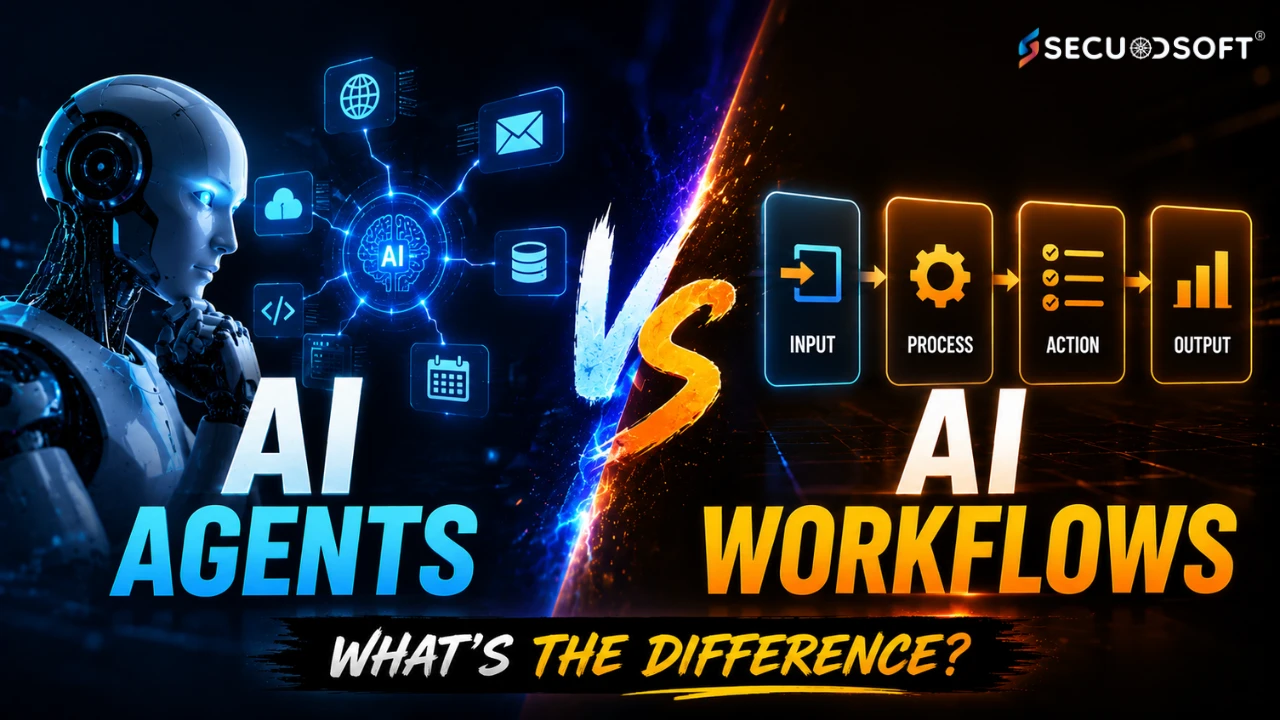
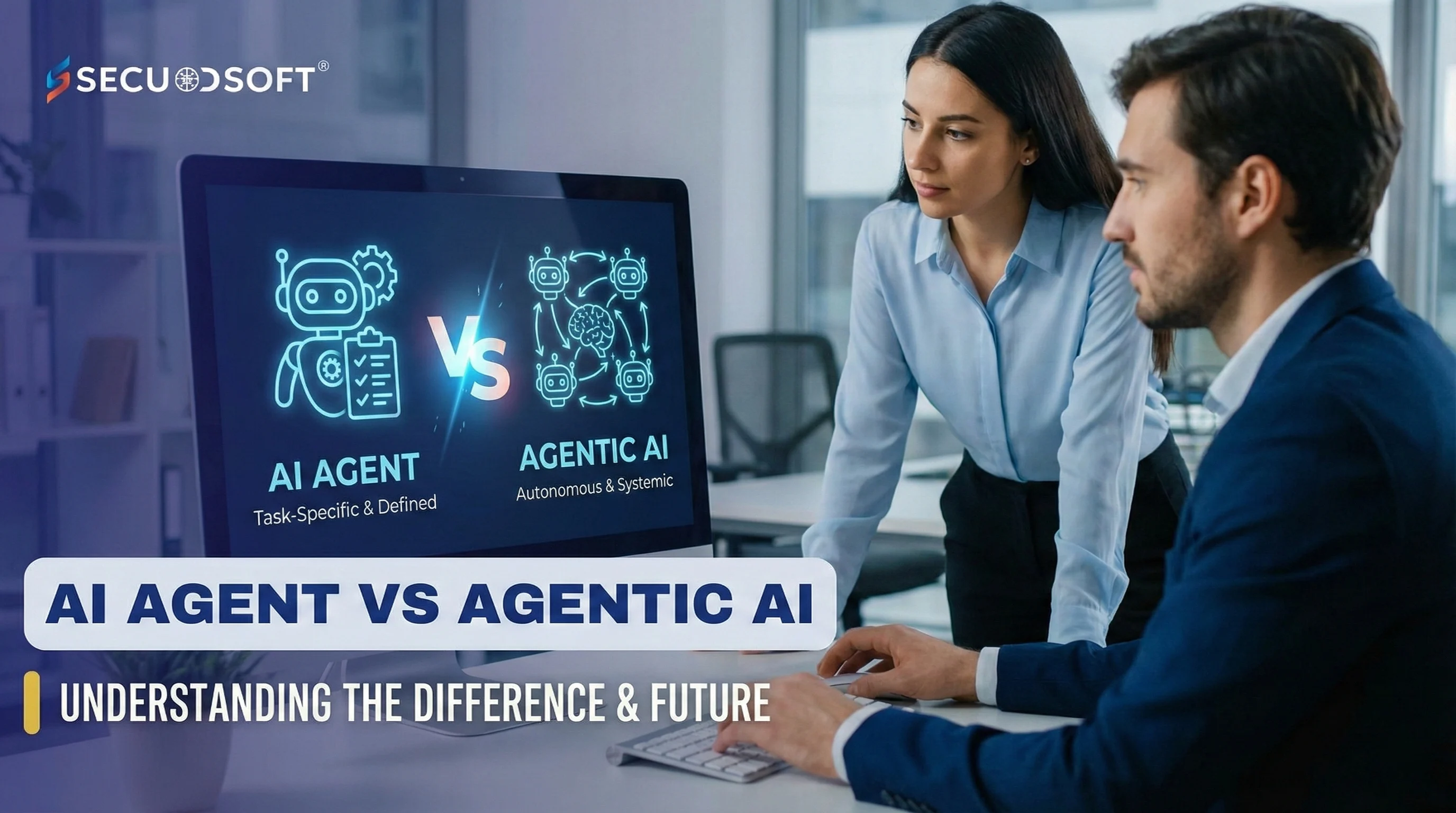
At their heart, AI agents are autonomous systems powered by artificial intelligence that perceive their environment, process data, and take actions to achieve specific goals,without constant human oversight. Unlike traditional chatbots that spit out responses, AI agents exhibit reasoning, planning, and memory, making them true digital teammates. Think of them as the evolution of natural language processing (NLP) and machine learning models, blending AI automation with real-time adaptability.
In 2026, what are AI agents boils down to four pillars:
Why the hype? AI agents slash operational costs by 30-50% in sectors like finance and healthcare, while boosting user satisfaction through hyper-personalization. If you’ve ever used Siri to set reminders or Alexa to control your smart home, you’ve dipped your toes in simple AI agents. But as we edge into multi-modal eras, handling text, images, and video, these intelligent agents are set to redefine productivity.
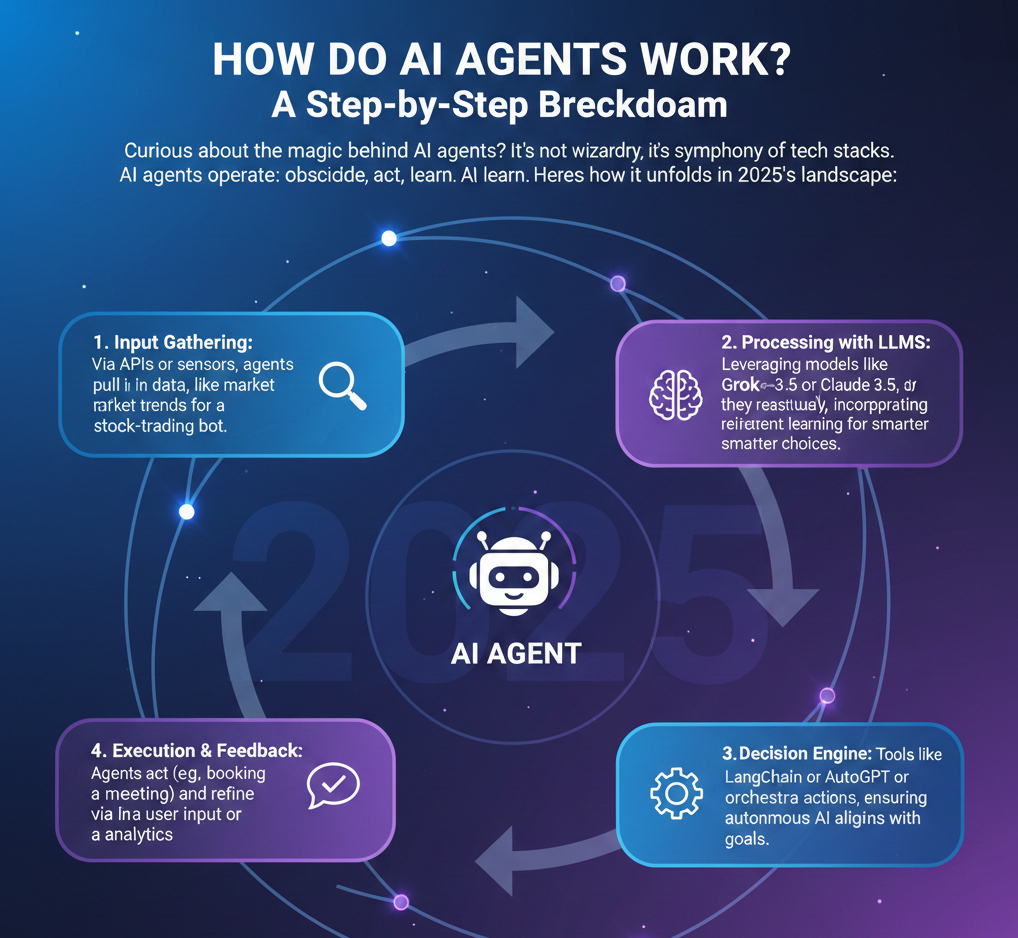
Curious about the magic behind AI agents? It’s not wizardry; it’s a symphony of tech stacks. AI agents operate in a loop: observe, decide, act, learn. Here’s how it unfolds in 2026’s landscape:
This AI agents workflow thrives on edge computing for speed and federated learning for privacy, key trends in 2026. Pro tip: Start small with no-code platforms like Zapier’s AI agents to test AI automation without a dev team.
Not all AI agents are created equal. In 2026, types of AI agents range from reactive bots to collaborative swarms, categorized by complexity and capability. Understanding these helps you pick the right intelligent agent for your needs, whether it’s a quick task automator or a full-fledged decision-maker.
Here’s a handy table breaking down the 7 key types of AI agents, complete with use cases and 2026 twists:
| Type of AI Agent | Description | Key Features | 2026 Use Case Example | Complexity Level |
|---|---|---|---|---|
| Simple Reflex Agents | React to current inputs without memory (if-then rules). | Rule-based, fast execution. | Spam filters in email clients. | Low |
| Model-Based Reflex Agents | Use internal models to track past states for better reactions. | Environmental modeling, basic memory. | Smart thermostats adjusting to habits. | Low-Medium |
| Goal-Based Agents | Plan actions to reach predefined objectives. | Search algorithms, path planning. | Navigation apps like Waze rerouting. | Medium |
| Utility-Based Agents | Evaluate options based on desirability (utility functions). | Optimization, trade-off analysis. | Recommendation engines on Netflix. | Medium-High |
| Learning Agents | Adapt and improve from experience using ML. | Reinforcement learning, neural nets. | Personalized fitness coaches like WHOOP. | High |
| Hierarchical Agents | Layered structure for complex tasks (sub-agents handle subtasks). | Modular design, scalability. | Enterprise ERP systems like SAP AI. | High |
| Multi-Agent Systems | Teams of agents collaborating or competing. | Coordination protocols, swarm intel. | Autonomous drone fleets in logistics. | Very High |
These types of AI agents evolve with LLM agents,large language model hybrids dominating 2026, where 60% of new deployments are multi-modal. For businesses, start with goal-based agents for quick wins in AI automation.
Theory’s great, but examples of AI agents bring it home. In 2026, these autonomous AI powerhouses are everywhere, from your inbox to boardrooms. Here are 8 standout AI agent examples transforming industries:
These examples of AI agents showcase versatility, but integration via APIs like OpenAI’s Assistants is key for custom builds.
Adopting AI agents isn’t just trendy, it’s transformative. Key perks include:
In 2026, AI agents benefits extend to sustainability, with agents optimizing energy use in data centers by 20%. The ROI? Up to 5x in the first year for forward-thinkers.
No rose without thorns. AI agents challenges in 2026 include data privacy risks (hello, GDPR 2.0), bias in machine learning agents, and the “hallucination” glitch where agents spit faulty advice. Ethical must-haves:
Navigating these ensures responsible AI agents, a must as regulations tighten.
By late 2026, expect AI agents to go hyper-collaborative: swarms tackling climate modeling or personalized education. Trends like edge AI agents (on-device processing) and quantum-enhanced reasoning will dominate, with the market hitting $100B by 2030. Get ahead: Experiment with open-source like BabyAGI for your first autonomous agent.
Unlock the full power of AI agents with Secuodsoft Technology, Bhubaneswar's forward-thinking tech innovator dedicated to crafting bespoke autonomous AI systems that drive real results. As experts in agentic AI development, we specialize in building everything from goal-based agents for streamlined task automation to sophisticated multi-agent systems for collaborative intelligence, tailored for sectors like finance, healthcare, marketing, and beyond. With a track record of 50+ deployments delivering 35% efficiency gains through advanced LLM agents and reinforcement learning integrations, Secuodsoft makes intelligent agents accessible, scalable, and ethical. Whether you're prototyping a learning agent for personalized user experiences or scaling hierarchical agents for enterprise workflows, our team turns your AI agents guide 2026 vision into robust, deployable solutions. Contact us at secuodsoft.com for a complimentary consultation and let's co-create AI automation that propels your business into the future, no limits, just limitless potential.
From demystifying what are AI agents to exploring types of AI agents and examples of AI agents, this 2026 guide arms you with the knowledge to harness agentic AI. These intelligent agents aren’t replacing us; they’re amplifying what we do best. Ready to build your first? Start with a simple goal-based agent and scale from there.
Copyright ©2026 Secuodsoft. All rights reserved.